
Workers’ Compensation Insurance 101: Protecting Yourself & Your Job
Facing work-related injuries or illness? Workers' compensation ensures medical care and wage replacement. Discover more now.

Great compensation strategy has always been a blend of art and science. But in a volatile market, intuition alone isn't enough. You need clarity. You need confidence. This is where true AI moves beyond the hype to become your most powerful ally. Read More >>

Discover how AI is transforming HR roles, which jobs will change, and how HR professionals can thrive in an AI-enhanced workplace.

Discover how AI is transforming the employee experience. Learn the benefits, challenges, and steps to implement AI in HR for better engagement and retention.
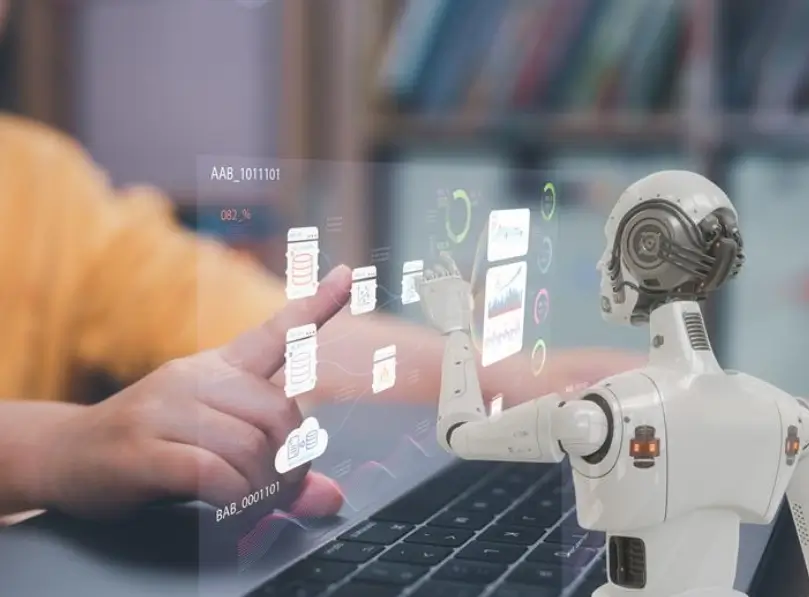
Discover how generative AI in HR can streamline processes, enhance decision-making, and improve the employee experience.

Discover how HR can leverage AI in employee engagement in 2025. Learn key benefits, risks, and practical strategies here.

Learn how AI and big data are transforming job matching on employment platforms, improving efficiency and accuracy for both employers and job seekers.
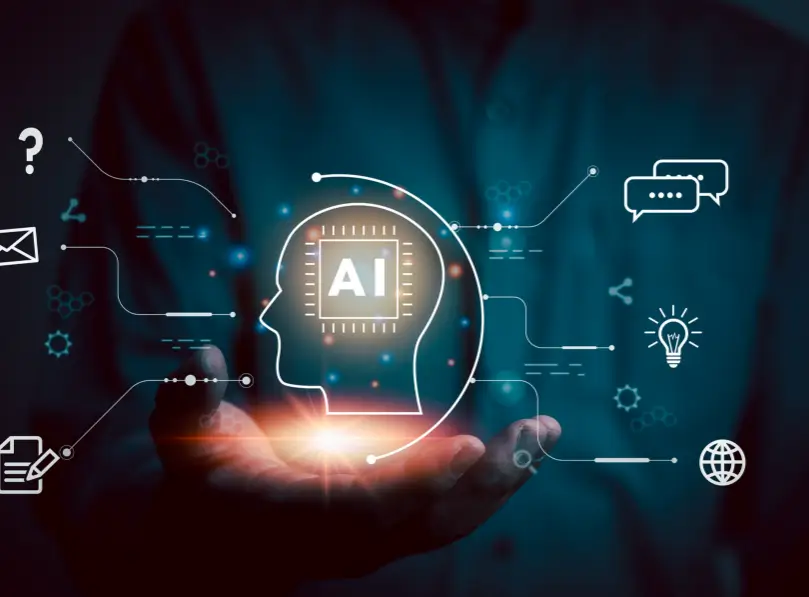
AI in Talent Acquisition is transforming recruitment by boosting speed, diversity, and candidate experience while cutting costs and bias.

Learn how conversational AI transforms HR by automating tasks, improving support, and improving employee experiences.

Artificial intelligence in HR refers to the use of AI-powered systems to automate, enhance, and streamline various human resource management tasks.

Artificial intelligence helps streamline candidate sourcing, improve screening accuracy and candidate experience. Learn how to utilize AI for recruiting.

Facing work-related injuries or illness? Workers' compensation ensures medical care and wage replacement. Discover more now.

Protect your employees from devastating identity theft in today's digital world. Learn how identity theft insurance benefits your business.
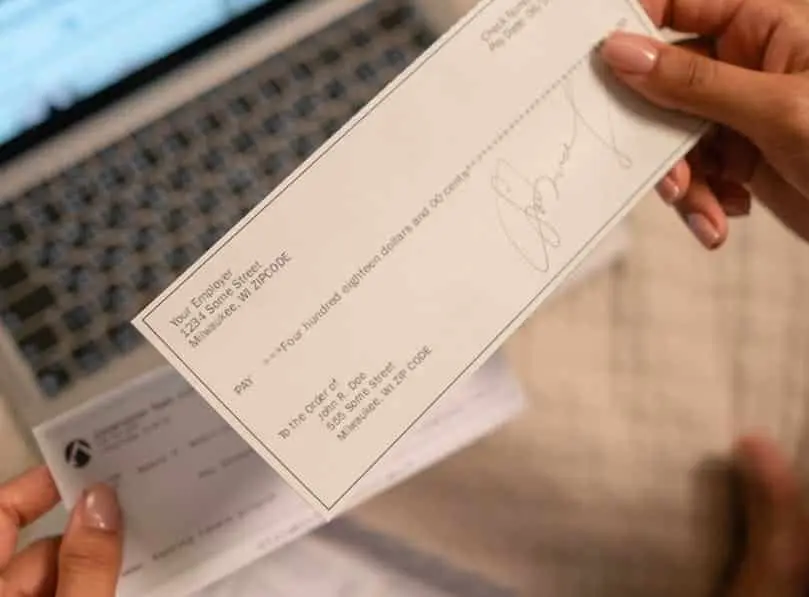
Demystifying the Gender Pay Gap: Exploring the Ongoing Disparity and Unearthing the Factors Behind Women’s Lower Earnings Compared to Men.

For Women’s History Month, we explore the history of women in the workplace, the struggles for pay equity and narrowing the gender pay gap, and what lies ahead.

Why have so many women left the workforce? How do we get them back and create a more equitable workplace? There’s more to it than addressing the gender pay gap.

Behavioral skills are the abilities and characteristics that individuals possess to successfully interact and communicate with others. Learn more.

Discover the World of Remote Work Jobs: Pros, Cons, Essential Tools, Suitability Assessment, Job Search Strategies & Transforming Work Landscape.

Technology can be used to help develop your employee’s skills and competencies and for overall talent management.

Job openings data provides essential information about available jobs out there. Learn how it is a crucial tool to assist candidates in their job hunt.

Having clear and concise job titles can be pivotal in cultivating a productive workforce and effectively communicating job roles and responsibilities.

The job market has become more competitive than ever. For this reason, compensation and benefits managers need to bring their A-game.

Discover the fundamental talent acquisition skills that every professional needs. From communication to industry knowledge, elevate your career now!