The biggest problem with employee engagement is that it's all hat and no cattle. Trying to measure employee happiness, satisfaction, and other sentiment about their jobs only works when employees feel comfortable enough to tell you what they really think. Otherwise, what you will get is exactly what you want to hear. It's the power difference. People deal with the people who have power over them very carefully—because they have to.
The other problem with measuring engagement is that it's usually done with surveys that are designed to create useful data. That means the employer asks the same questions each time to track the responses. They questions may or may not have anything to do with what it's actually like to work there.
The other problem with surveys is that they are annoying. We all are surveyed out. If you send me another one, I will delete it; any warm and delightful feelings I may have are no longer warm and delightful.
Also, everyone knows that employer surveys are not really anonymous. Nobody is going to tell you anything worth knowing in a survey.
Even when an employer asks employees more open ended questions, and even when the employees are willing to tell employers what they want the employer to know, the employers usually don't do anything about those issues. Someone declares the comments as outliers and they are dismissed as unimportant.
It takes some moxie and a dose of courage to tell employers there are problems in the workplace. When those problems are ignored, engagement is damaged and so is trust. The employees presume the employer isn't listening and doesn't care.
And that's why measuring employee engagement will give you data, but it won't tell you anything.
What does work is clear communications, as much transparency as possible about issues affecting employees, and making your words and actions match. If you want employees to tell you the truth, you have to care, listen, and then do what you say you're going to do.
It's also true that fake positivity is just fake. Here's more on that.
We all tend to thrive in a positive work environment that provides support, encouragement, and tools for success – but what happens if a workplace is too positive? Are your managers glossing over glaring issues that need to be addressed? Are your employees feeling disheartened due to a lack of honest feedback? Your leadership team may be guilty of “glossing” or creating toxic positivity by downplaying problems and failing to resolve issues. While your leaders may have good intentions, this management style may come across as superficial and insincere, particularly in a time when employees are seeking transparency more than ever. So, what can you do to prevent glossing in your organization? Here are five management behaviors to drop and five effective alternatives to help you eliminate this latest workplace fail.
Why Does It Matter?
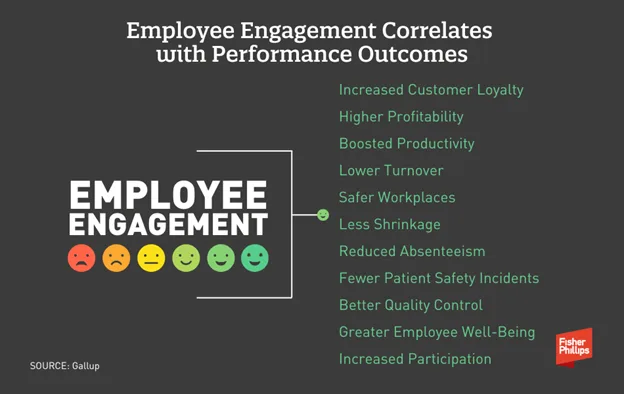
First, let’s talk about the impact of glossing on your workplace. Employee engagement is important for worker well-being, retention, productivity, and your organization’s bottom line. Indeed, Gallup’s extensive research over the years shows a strong correlation between employee engagement and these 11 performance outcomes:
Increased Customer Loyalty
Higher Profitability
Boosted Productivity
Lower Turnover
Safer Workplaces
Less Shrinkage
Reduced Absenteeism
Fewer Patient Safety Incidents
Better Quality Control
Greater Employee Well-Being
Despite its importance, employee engagement reached its lowest point in a decade in 2024, with only 30% of U.S. workers reporting being engaged and 17% saying they were actively disengaged.
Notably, workers who could do their jobs remotely but are exclusively onsite and those who are exclusively remote workers had the most significant drops in engagement, in addition to workers under age 35.
The good news is that being proactive, eliminating toxic behaviors like glossing, and building a culture of transparency can go a long way toward improving employee engagement.
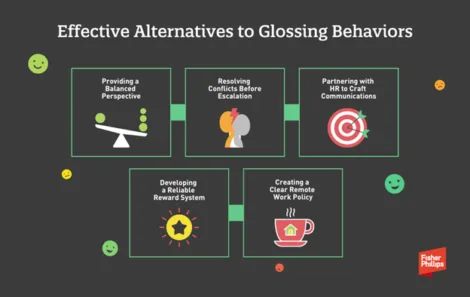
How might your leaders be guilty of glossing? What should they be doing instead? Read on for the top five toxic behaviors to drop and five effective alternatives.
1. Toxic Behavior: Shielding Employees from Critical Business Issues
It’s natural to prefer focusing on the ways business is thriving to keep employees motivated and excited about the future, but ignoring bigger picture problems within the organization can lead to more issues down the road. Although some sensitive information may need to be kept confidential, employee engagement can plummet when workers feel like they’re being kept in the dark.
Effective Alternative: Providing a Balanced Perspective
Perhaps sales are up but operational costs have also skyrocketed. Be honest with employees about the state of the business by celebrating the wins and having frank conversations about areas that need improvement. Encourage engagement by brainstorming solutions with your workforce and creating a plan of action together.
2. Toxic Behavior: Ignoring Unhealthy Team Dynamics
Sometimes personalities clash at work. You may be tempted to ignore daily bickering, gossiping, or complaining among teammates so long as the job is being done well. But even seemingly small disagreements can escalate if they’re not properly addressed. Moreover, unhealthy team dynamics could lead to turnover -- or even harassment claims.
Effective Alternative: Resolving Conflicts Before They Escalate
Regular check-ins with your employees, both individually and as a team, can help you to manage relationships and stay ahead of any issues before they escalate. Also consider setting aside some time periodically for team-building exercises to strengthen relationships and promote an open dialogue.
3. Toxic Behavior: Failing to Address Performance Issues
Difficult conversations about performance issues, attendance problems, and other work-related shortcomings are uncomfortable for employees and managers alike. But glossing over these challenges won’t make them go away. Instead, ignoring performance problems could contribute to lower productivity, more mistakes, and higher turnover among employees who feel they need to fill in the gaps. Your high-performing team members who see the lower performers get away with substandard work could become disengaged if they believe that you don’t value their high-quality work. Moreover, it could make it harder to ultimately cut ties with an underperforming employee if you left the issues off performance appraisals and inflated their reviews.
Effective Alternative: Partnering with HR to Create a Performance Plan
In addition to conducting consistent 1:1 meetings with your team members, you’ll want to have a clear plan of action for handling hard conversations with underperforming employees. Less experienced managers should know who to contact in HR or on the leadership team to help coach them through the communication process.
Managers should go over the specifics of the performance challenges, identify ways the employee can correct the problem, and communicate the consequences for failing to meet future performance objectives. Document the conversation, as well as expectations, and set a time to follow up with the employee.
4. Toxic Behavior: Making Empty Promises
In difficult times, managers may want to promise key employees raises, promotions, and other perks to keep them happy – but failing to follow through can deflate morale and cause employees to actively disengage or look for other employment.
Effective Alternative: Developing a Reliable Reward System
If you can’t offer a star employee the raise or promotion you think they deserve, be realistic and don’t overpromise. Remember that saying “thank you” or recognizing an employee’s accomplishments during a meeting can go a long way.
Additionally, creating a formal rewards and recognition program may help you be more consistent and ensure your managers follow through on promises. Be sure to set clear guidelines, performance indicators, and award types so employees understand the criteria and can set their goals accordingly. To boost engagement, consider asking employees what types of rewards they would like to see the company offer.
5. Toxic Behavior: Ignoring Flaws in Your Remote and Hybrid Work Policies
Remote and hybrid work are here to stay – but they have raised a whole slate of new problems in some workplaces.
Maybe you rushed to make remote work happen during the pandemic but never fine-tuned your policies.
Perhaps your managers say they embrace remote and hybrid work, but your employees feel left out when they’re not together in person.
Maybe you’ve called everyone back to the office, but the exceptions have swallowed the rule and your workplace looks like a ghost town most days.
Glossing over problems with your remote and hybrid policies can lead to disengagement fast, as the Gallup statistics above show.
Effective Alternative: Creating a Clear Plan and Fine-Tuning as Needed
While remote work arrangements are not practical for every job or industry, embracing flexibility can have a positive impact on company culture and productivity. But many employers are now struggling with broader challenges, such as deciding who may work on a remote basis, how to keep employees engaged, and the best way to deliver clear and consistent messaging. That’s why we created a playbook to address your greatest sources of frustrations and give you the solutions you need to resolve them. Click here to learn more about effectively managing remote and hybrid workforces for the long term.
Share:
Subscribe for free: compensation & pay equity law review
LabelPlease enter a valid work email
You'll receive a weekly newsletter email with the most important legal news on compensation and pay equity. We handle your contact details in line with our
Privacy Policy
Thank you! You are now subscribed.
Are you concerned about pay gaps in your organization?
CompAnalyst® Pay Equity Suite can help you achieve and sustain pay equity