Blog
Get Pay Right on ADP Workforce Now® Next Gen™
Bringing trusted compensation intelligence and seamless planning to even more ADP users.
Written by Salary.com Staff
November 15, 2024

Effective employee onboarding is the foundation of a successful company workforce. It allows you to properly introduce new hires to the organization, the work culture, and their new role.
Live job scraping. Know their pay secrets instantly.
It also goes even beyond by influencing company growth. According to studies, organizations that execute a more active and effective onboarding process can enjoy 2.5 times greater revenue and 1.9 times greater profit margin.
But what does onboarding mean, exactly? This guide will discuss everything you need to know about onboarding, its key steps, best practices, and even a checklist template.
Employee onboarding is the process of introducing newly hired employees to an organization. This includes the processing of paperwork, discussing the job’s roles and responsibilities, team introductions, and more.
Onboarding is an important process where new employees gain the necessary skills and knowledge to perform as expected by the organization. It’s also a critical phase for their company experience as it can heavily impact their performance, engagement, and longevity.
It’s the organization’s responsibility to clarify what onboarding means and how it would be implemented so the new hires know what to expect. Doing this is essential in creating an effective employee onboarding experience.
To give us more idea about how onboarding works, here are some reasons why it’s important:
Communicates company goals and expectations
Shortens the learning curve
Familiarity with company culture and social dynamics
Boosts employee engagement
Develops a strong support system
Enhances productivity
Improves employee retention
Attracts top talents
Nowadays, leading organizations are battling hard to recruit the industry’s top talents. If you want to stay ahead of the curve, utilize Real-Time Job Posting Salary Data Solution to build competitive compensation packages and attract more talent.
The onboarding process begins the moment a new employee signs the job offers and ends when he’s finally settled into the role and performs his responsibilities as expected.
Throughout this whole process, the HR department is expected to guide and support the new employee. Moreover, the HR also organizes and facilitates all the onboarding activities such as the following:
Discussion of job offer
Salary negotiation
Processing of paperwork
Company introduction
Compensation package
Organizational socialization
It isn’t always a smooth sailing process for onboarding employees, they will experience some issues and difficulties as they are still in an adjustment period. Here are some common problems with onboarding a new hire:
Insufficient preparation
Some companies tend to overlook the importance of creating a comprehensive onboarding plan for their new hires. This often leads to employees being overwhelmed and burnt out during their initial days in the company.
Unrealistic expectations
Keep in mind that new employees are just about to embark on a whole new environment with your company. Allow them to ease into the job and have a learning curve to learn their job responsibilities during the onboarding program.
Culture shock
Cultural differences are a complicated issue often faced by new hires during their onboarding experience. So always consider an employee’s personal background and work experience in the onboarding process.
No room for feedback
We all have our unique styles and attitudes towards learning. Therefore, you need to understand that what works for some will not automatically work for others. Onboarding is a great opportunity to gather feedback from new employees and adjust your process along the way to address their concerns.
Lack of employee engagement
Workplace inclusivity is an important aspect for new hires during their onboarding experience. When they feel welcomed, supported, and valued from the very start, they are more likely to perform well and excel in their roles.
Predicting their staffing needs is one of the most challenging issues faced by companies in talent acquisition. Real-Time Job Posting Salary Data Solution will help you meet your organization’s goals by utilizing real-time data and allocating resources effectively.
Now that we understand the importance of having an effective onboarding experience for new hires, let’s focus on how to build it. Here are steps on how to build an onboarding program for new employees:
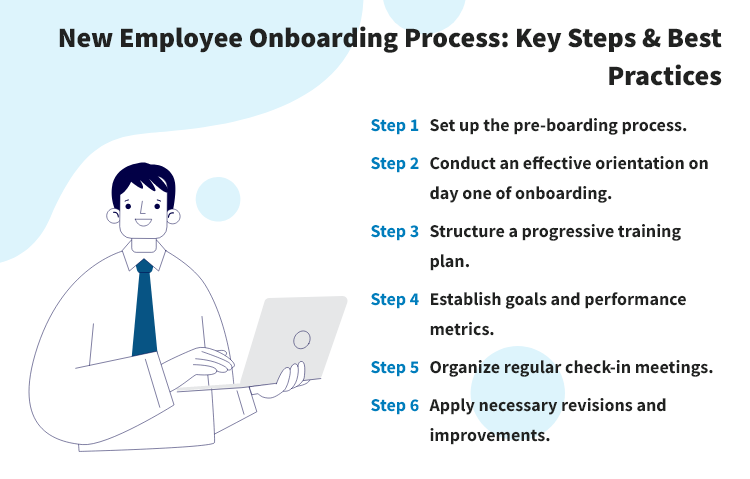
Hiring managers often overlook this process but what they don’t realize is that it’s an effective way to prepare a new hire for his first day at the company—the most important part of the onboarding process.
Pre-boarding activities include the following:
Sending essential information such as start date, time, and location.
Setting up work email, usernames, and passwords.
Filling out paperwork and forms
Sending a copy of company policy, guidelines, and employee handbook
Day one of onboarding is the perfect chance to make a lasting impression. This is where you’ll do lots of introductions and tours around the organization’s work environment.
It also involves meeting all the people a new team member would work with such as his immediate supervisor, peers, and mentors. It’s also a great opportunity to set up his workspace, establish company regulations, and finalize paperwork.
However, you have to remember that it’s just the new hire’s first day at work. The last thing you would want for him is to feel overwhelmed due to information overload. So, make sure to just ease him into the company culture on day one of onboarding and gradually add more activities each day.
The next step of the onboarding process would be to develop an effective training plan where the new hire will learn how to align his skills and knowledge to the company’s standards and protocols.
The training plan should include phases where new employees are given enough time to develop a connection with their duties and responsibilities during onboarding. The goal here is to help them become fully productive and perform according to the company’s expectations by the end of onboarding.
Setting goals and performance metrics during onboarding is an effective way to establish a sense of direction for a new hire’s development. This can also inspire confidence and at the same time minimize confusion and stress during onboarding.
Real-Time Job Posting Salary Data Solution can help you discover detailed skill sets and profiles. This allows you to easily align your company’s goals with the talent acquisition process.
Making employees feel that the company cares about their growth and well-being is a great way to ensure their progress and job satisfaction. This can be done through regular check-in meetings during onboarding where you can ask about their experience and feedback as they go through the whole onboarding experience.
This is the part of onboarding when you assess the comments and feedback given by the new hires during your check-in meetings. Identify the changes that need to be made and apply necessary improvements for a more effective employee onboarding plan.
Having a checklist can help you stay organized and focused throughout the whole onboarding process. You can use the template below as your guide and customize it based on your organization’s needs:
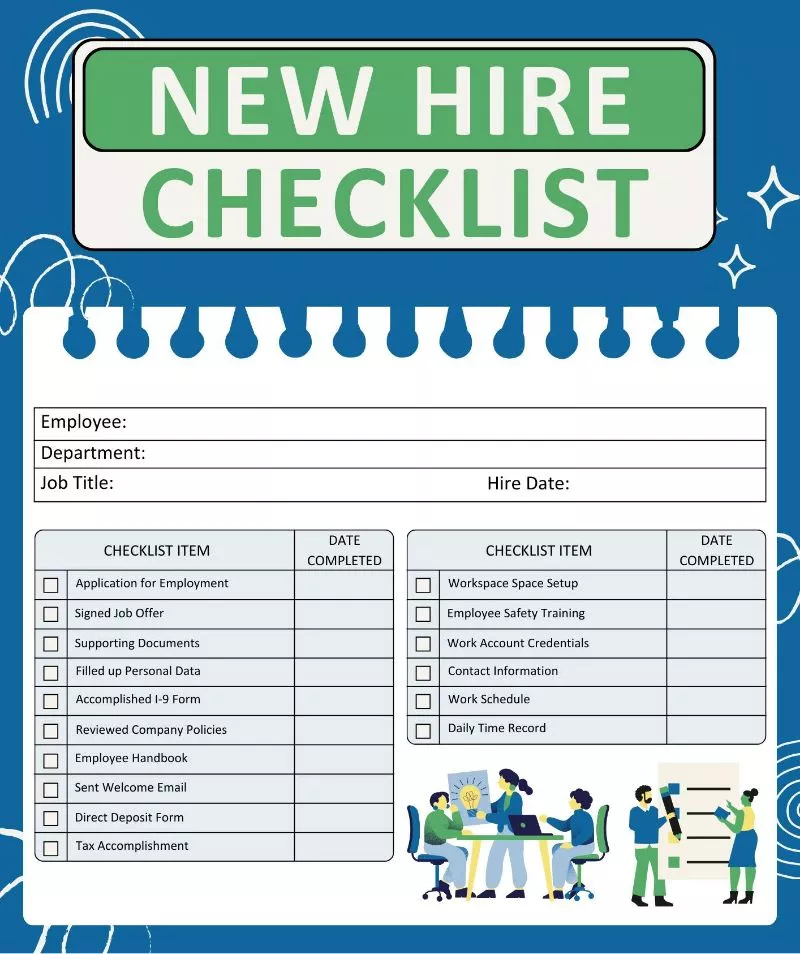
A company’s greatest asset is its people. So, it’s important to invest in making them feel valued right at the very start of their journey with your company. Build an environment where employees are welcome to thrive and grow.
Know who's hiring, where, and for how much.
Part of making your employees feel valued is by paying them right. With Real-Time Job Posting Salary Data Solution, you can discover peer pay practices that attract top talents in the industry.

The latest research, expert advice, and compensation best practices all in one place.
Blog
Bringing trusted compensation intelligence and seamless planning to even more ADP users.

Blog
Learn how to train managers for effective pay conversations and build trust.

Blog
Total rewards package flexibility lets employees choose what matters - pay, perks, and benefits tailored to their needs.