Professional Letter: Template, Definition, and How to Write It
Written by Salary SpecialistNovember 28, 2025
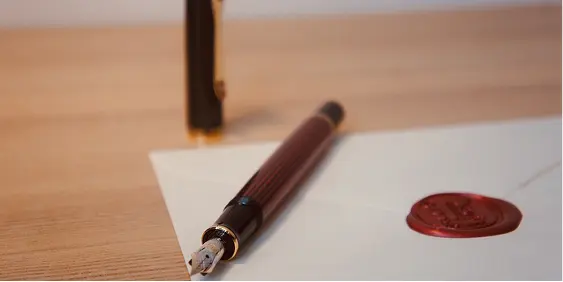
Mastering the art of professional communication is essential for building strong relationships with colleagues, clients, and organizations. A professional letter serves as a key tool in this process, allowing you to present ideas clearly and professionally.
According to a 2023 study, effective communication skills, including well-structured business letters, significantly enhance career advancement and team collaboration in companies.
This guide explores the professional letter template, its definition, and practical steps to create one, helping you streamline your correspondence whether you're writing a cover letter or a resignation note.
What is a professional letter?
A professional letter is a formal document used in business or professional settings to convey a specific message to a recipient, such as a hiring manager or a business partner. It emphasizes clarity, conciseness, and a professional tone to ensure the purpose is understood without ambiguity.
This type of letter differs from casual notes by using structured formats like block, modified block, or semi-block, emphasizing readability and professionalism. It includes the sender's address, date, recipient's address, greeting, body, and signature for a polished look.
According to the guide, professional letters focus on practical, audience-centered communication to achieve goals like expressing interest in a job title or requesting an interview.
Types of professional letter
Here are the different types of professional letter:
- Cover letters: Used to introduce yourself to a hiring manager, highlighting your skills and interest in a specific job title.
- Resignation letters: Formal notices to employers when leaving a position, often including reasons and a positive note about your time with the company.
- Business letters: General correspondence between companies or colleagues, such as proposals, inquiries, or thank-you messages to clients.
- Recommendation letters: Written by a person like a former employer or colleague to endorse someone's abilities for a new role or opportunity.
- Thank-you letters: Sent after an interview or meeting to express gratitude and reinforce your enthusiasm.
- Inquiry letters: Requests for information, such as details about products, services, or access to resources from organizations.
- Complaint letters: Politely addressing issues with products or services to seek resolution from businesses.
How to write a professional letter
Writing a professional letter requires a clear, respectful, and effective approach. Whether using a template or not, start by understanding your audience and purpose, then personalize and refine your message.
- Gather necessary information: Start by collecting details like the recipient's full name, address, city, and job title, along with your own contact information, to ensure the letter is accurately directed and professional from the outset.
- Choose the right format: Select a style such as block format, where everything aligns to the left, or modified block for a more traditional look with indented paragraphs, as this impacts readability and sets the tone for your correspondence.
- Draft the opening section: Include your letterhead or address at the top, followed by the date and inside address, then begin with a greeting like "Dear [Recipient's Name]," to establish a formal and personalized connection right away.
- Write the body paragraphs: Structure the content into an introduction in the first paragraph explaining your purpose, detailed explanations in the middle, and a closing paragraph summarizing your message, using a professional tone to engage the reader effectively.
- Close and sign the letter: End with a polite closing like "Sincerely" or "Yours faithfully," followed by your signature and printed full name, ensuring you proofread for errors to present a flawless document.
- Review and customize: Go over the letter for clarity, omit any unnecessary details, and tailor it to the recipient's gender or preferences if known, before deciding to print on paper, save as a digital file, or send via mail or email.
- Add final touches: Choose appropriate fonts like Arial or Times New Roman for readability, ensure the page layout is clean, and consider enclosing it in an envelope if mailing, to streamline the delivery process.
Professional letter template
A professional letter template saves time and ensures consistency in business communication. It offers a ready-to-use layout for various letters-like cover letters or resignations-so you can focus on content instead of formatting.
[Your Full Name]
[Your Address]
[City, State, ZIP Code]
[Your Email Address]
[Your Phone Number]
[Date]
[Recipient's Full Name]
[Recipient's Job Title]
[Company Name]
[Company Address]
[City, State, ZIP Code]
Dear [Recipient's Full Name],
[First Paragraph: Introduce yourself and state the purpose of the letter. For example, express interest in a position or detail the reason for writing.]
[Body Paragraph: Provide supporting details, such as your qualifications, experiences, or specific requests. Use bullets if needed for clarity:
- Highlight key achievements.
- Explain relevant skills.
- Reference any attachments or enclosures.]
[Closing Paragraph: Summarize your message, reiterate your interest, and provide contact information for follow-up.]
Sincerely,
[Your Signature]
[Your Printed Full Name]
This professional letter template can be downloaded as a free Word document from various sources but always personalize it to match your audience. For instance, if addressing a team or partners, adjust the greeting to be more inclusive.
Professional letter examples
To illustrate how a professional letter template can be applied, let's look at a few examples tailored to common scenarios. These demonstrate how to adapt the template for different purposes, ensuring your message is clear and engaging.
Example 1: Cover letter for a job application
[Your Full Name]
[Your Address]
[City, State, ZIP Code]
[Email]
[Phone]
[Date]
[Hiring Manager's Name]
[Hiring Manager's Title]
[Company Name]
[Company Address]
[City, State, ZIP Code]
Dear [Hiring Manager's Name],
I am writing to express my strong interest in the [Job Title] position advertised on your company's website. With over five years of experience in [relevant field], I have developed skills that align perfectly with your team's needs.
In my previous role at [Previous Company], I led projects that increased efficiency by 20%, demonstrating my ability to collaborate with colleagues and deliver results for clients. I am particularly drawn to your organization's innovative approach and would welcome the opportunity to contribute.
Thank you for considering my application. I look forward to discussing how my background can support your goals in an interview. Please contact me at [Phone] or [Email].
Sincerely,
[Your Signature]
[Your Full Name]
Strengthen your cover letter with the Personal Salary Report-a customized tool that provides up-to-date market salary data based on your role and experience. It helps align your qualifications with industry standards and supports confident salary negotiations.
Example 2: Resignation letter
[Your Full Name]
[Your Address] Etc.
[Manager's Name]
[Manager's Title]
[Company Name] Etc.
Dear [Manager's Name],
I am writing to formally resign from my position as [Your Job Title], effective two weeks from today. This decision comes after careful consideration, and I am grateful for the opportunities I've had here.
During my time with the company, I have enjoyed working with talented colleagues and contributing to key projects that served our clients well. I am committed to ensuring a smooth transition and am available to train my replacement.
Thank you for your support and understanding. I wish the team continued success.
Yours sincerely,
[Your Signature]
[Your Full Name]
Here, the professional letter template maintains a positive tone, focusing on gratitude and professionalism during a resignation.
Example 3: Business inquiry letter
[Your Full Name] Etc.
[Recipient's Name]
[Recipient's Title]
[Organization Name] Etc.
Dear [Recipient's Name],
I am reaching out to inquire about potential partnership opportunities between our companies. As a leader in [your industry], we believe collaborating could benefit both parties.
Our team has successfully partnered with similar organizations, resulting in mutual growth. We would appreciate details on your current initiatives.
I look forward to your response and am available for a call at your convenience.
Best regards,
[Your Signature]
[Your Full Name]
This version of the professional letter template is concise, ideal for initiating business discussions with partners or organizations.
FAQs
Here are some FAQs for better understanding
What should I include in my letter?
A professional letter should include essential elements like your contact information, the date, the recipient's details, a formal greeting, body paragraphs outlining your message, and a closing with your signature. Additionally, customize it with specific references to the job title or purpose to make it more relevant and engaging.
Is a motivational letter a formal letter?
Yes, a motivational letter is typically a formal letter used to explain your motivations for applying to a position, program, or opportunity. It follows similar structures to other professional letters, maintaining a professional tone and format to persuade the reader effectively.
When to use yours faithfully or sincerely?
Use "Yours faithfully" when the greeting is "Dear Sir/Madam" or when you don't know the recipient's name, as it maintains formality in unknown situations. Opt for "Sincerely" or "Yours sincerely" when addressing someone by name, like "Dear Mr. Smith," to convey a more personal yet professional close.

Learn what accumulated depreciation is, why it matters, and how to calculate it using common methods with real-world examples.

Learn how to send an email and understand how it works with some tips.

This guide explains what gross annual income means, how to calculate it, and answers common questions to clear up confusion about the topic.

This guide shares the steps to write a teacher resignation letter, with examples that can be adapted to any situation.

Learn the essentials of business casual attire for men and women with outfit tips to look polished, confident, and professional at work.

Discover the top signs you should quit your job and learn when it’s time to move on for better mental health, growth, and well-being.