What Does a Background Check Show for Employment?
Written by Salary SpecialistNovember 03, 2025

When you're applying for a job, one of the steps in the process is the background check. You may wonder, what does a background check show? Understanding this aspect can help you be better prepared and more confident during the hiring process.
A background check is a standard step employers use to verify a candidate's information and ensure a safe and trustworthy workplace. This guide will explain what a background check is, how it works, what information it reveals, how long it takes, and what issues might flag concerns during the check.
What is a background check?
A background check is a common step in the hiring process that employers use to verify the accuracy of the information you've provided, such as your identity, employment history, and criminal record. This pre-employment background screening helps them assess your overall suitability for the job.
While referrals and recommendations can highlight your strengths, a background check provides a more detailed view of your identity and background. Depending on the employer, they may conduct this directly or through a third-party service. These checks aim to ensure that the person they hire aligns with company culture, meets legal compliance requirements, and reduces risks for workplace safety.
How does an employee background check work?
Once you receive a conditional job offer, employers ask for your consent to conduct a pre-employment background check, which is legally required under the Fair Credit Reporting Act (FCRA) and similar state laws.
After you give permission, investigators begin the background check process by:
- running an identity verification check,
- reviewing criminal history information,
- analyzing credit history or credit reports, and
- sometimes contacting previous employers or institutions for education history verification.
A third-party service provider then compiles this information into a background check report or multiple background reports, which the hiring manager and employer review before making a final decision.
Employers must apply the screening process consistently to avoid discrimination, and they are generally required to notify you if they intend to take adverse action based on the report.
What does a background check show?
What shows up on a background check varies widely based on the job and type of check, but common types include:
-
Identity verification
When employers run a background check, they usually ask for your Social Security number. This helps confirm that your number is valid, belongs to you, and has not been used fraudulently. These verification services may also show previous addresses connected to your Social Security number, allowing employers to confirm the accuracy of the information you provided.
Before applying for jobs, make sure the address on your driver's license or identification card matches your current residence. -
Criminal records
Criminal background checks can include felony and misdemeanor convictions, arrests, and pending charges accessible at the federal, state, and county levels. Employers use this to assess potential risks in hiring and determine whether you may pose a threat to customers or create an unsafe work environment. -
Employment verification
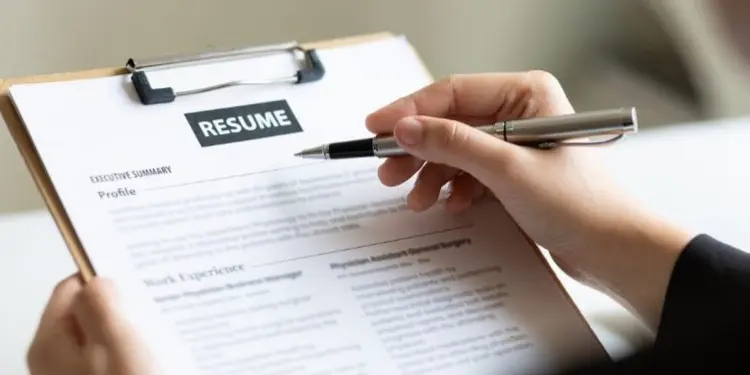
Employment history verification reviews the job titles or positions you reported, the duration of your employment, your responsibilities, and, in some cases, your reasons for departure to ensure that your resume is accurate.
With 44% of Americans admitting to dishonesty at some point during the hiring process and 24% specifically confessing to lying on their resumes, this verification step is crucial. By verifying employment history, employers avoid making hiring decisions based on false or exaggerated information and ensure you genuinely possess the qualifications and experience required for the role. -
Education verification
Confirms degrees earned, education history, and institutions attended to validate your qualifications. Employers may also check enrollment records and dates of attendance to make sure your academic background is accurate. -
Professional license verification
Ensures that any professional licenses you claim are current, valid, and issued by the proper authority. This step confirms that you are legally permitted to work in regulated fields such as healthcare, law, finance, or skilled trades. -
Driving records
If you apply for a position that involves driving a company vehicle or operating heavy machinery, your driving history may be reviewed. For example, employers hiring truck drivers, school bus drivers, or public transit operators often request this type of background check.
The report may show traffic violations, DUIs, accidents, or the current status of your license. Employers use this information to decide whether you can be trusted to drive responsibly and follow traffic laws while at work. -
Civil Court Records
This background check can reveal lawsuits, judgments, liens, and other non-criminal court matters. Employers often review civil records for positions that involve financial responsibilities, management duties, or access to sensitive assets. -
Credit checks
Common for finance-related roles, a credit background check reviews financial responsibility but requires your consent. Employers may see your credit and payment history, bankruptcies, or accounts in collections. -
Drug screening
Used by many employers to maintain safe, productive workplaces. This screening process checks for controlled substances, including prescription and illicit drugs, and is often conducted as a routine part of the hiring process.
Beyond these, some employers also check professional references and social media accounts to get a fuller picture of candidates. They take into account what shows up on a background check as part of their overall evaluation.
How long does a background check take?
A background check generally takes between two and five business days, but the exact timeframe can vary. Factors such as the type of background check, its complexity, the availability of third-party sources, and whether manual processing or access to public records is required can all affect how long your results take. The specific details of what shows up on a background check can also influence the timeline, since additional verification may be required for certain records.
It is normal to want to know exactly when your results will be available, but there is not always a definite answer. Every background check is unique and may take longer if your history requires further review.
You can help prevent delays in two key ways. First, complete all release forms and authorizations promptly so the process can begin right away. Second, make sure the information you provide is accurate and complete. Taking these steps will help ensure your background check is processed as quickly as possible.
FAQs: What does a background check show?
Here are frequently asked questions about what shows up on a background check:
What information comes up in a background check?
The information that comes up in a background check includes your identity verification, criminal history, employment and education confirmations, driving records if relevant, and sometimes credit history or drug test results. Some deeper checks even scan civil litigation history or sanctions, depending on the role you're applying for.
How do I know if I will pass a background check?
To know if you will pass a background check, consider running one on yourself through reputable services. Review your credit reports for errors, confirm employment dates with former employers, and check your motor vehicle record if relevant. Understanding what shows up on a background check, being honest about any past issues, and preparing explanations can improve your chances of passing.
What would cause a red flag on a background check?
To know what would cause a red flag on a background check and potentially jeopardize a job offer, here are the most common issues employers watch for:
- Discrepancies in your name or Social Security number indicating possible identity issues.
- Criminal history records relevant to the job or recent convictions can be concerning.
- Multiple short-term jobs or frequent employment gaps may suggest instability.
- Resume inconsistencies, such as false job titles or educational qualifications, compared with verified records.
- Negative social media activity, such as posts showing illegal behavior, violence, discrimination, or harassment.
- Refusing to consent to a background check is often seen as highly suspicious.
Most employers conduct background checks to gain valuable insights into their potential employees. The employer decides whether the findings affect your chances of being hired, so for job seekers, being mindful of these common red flags and addressing potential concerns proactively helps you show up as a trustworthy candidate.

Discover the top questions to ask at the end of an interview that impress hiring managers, show your interest, and help you land the job.

Discover the best job search tips and strategies for 2025. Learn how to stand out, tailor applications, and land your next job in a competitive market.

Learn about the 15 jobs that offer benefits in 2025 and their common grounds.
How long should a resume be? Here are essential tips this 2025 for every job seeker.

Learn what a references template is, why it's important, and how to use it effectively for job applications or academic papers.

Learn what a letter of interest is, how it differs from a cover letter, and step-by-step tips to write one that captures employer attention.