Intermediate Risk Analyst Salary in Germany

 Change Country


How much does an Intermediate Risk Analyst make in Germany? The average Intermediate Risk Analyst salary in Germany is €57,317 as of March 23, 2021, but the range typically falls between €45,808 and €65,244. Salary ranges can vary widely depending on many important factors, including education, certifications, additional skills, the number of years you have spent in your profession. With more global market data that allows you to price your jobs around the world and compare job salaries across countries and cities on real-time compensation data, Salary.com helps you to determine your exact pay target.

-

-

-
 Find More Jobs in Germany
-
 Choose Similar Job
 -
 Pick Related Category
Skills to Boost an Intermediate Risk Analyst Salary
Mastering key skills can significantly increase your earning potential as an Intermediate Risk Analyst. According to Salary.com's Real-time Job Posting Data, expertise in Internal Audit can lead to a 2% salary raise, while strong Operations Management skills boost pay by a 1%. Even Risk Mitigation can result in a 1% salary increase.
| Skills | Salary | Demand | |
|---|---|---|---|
| Skill & Salary | Demand | ||
| €58,464 |
Internal Audit
€58,464
|
2%
|
|
| €57,890 |
Operations Management
€57,890
|
1%
|
|
| €57,890 |
Risk Mitigation
€57,890
|
1%
|
What does an Intermediate Risk Analyst do?

Intermediate Risk Analyst
Hannover-Braunschweig-Gottingen-Wolfsburg, DE
Experience working on internal audits and/or operational risk assessments a plus.

Intermediate Risk Analyst
Cordova, ES
Two years of experience in internal controls, audit, IT, project management or risk management within the financial services industry.

Intermediate Risk Analyst
Brighton and Hove, UK
The Intermediate IT Risk Analyst will develop and maintain relationships with appropriate business management and process owners, as well as first line of defense.
Are you an HR manager or compensation specialist?
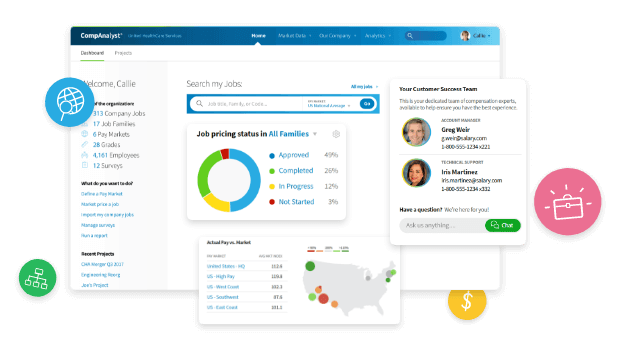
Salary.com's CompAnalyst platform offers:
- Detailed skills and competency reports for specific positions
- Job and employee pricing reports
- Compensation data tools, salary structures, surveys and benchmarks.

 About Germany
 Intermediate Risk Analyst Pay Difference by Cities
| City, Country | Compared to national average |
|---|---|
| City, Country Rhine-Ruhr, DE |
Compared to national average
|
| City, Country Stuttgart, DE |
Compared to national average
|
| City, Country Dusseldorf, DE |
Compared to national average
|
| City, Country Cologne, DE |
Compared to national average
|
| City, Country Bremen/Oldenburg, DE |
Compared to national average
|
| City, Country Frankfurt/Rhine-Main, DE |
Compared to national average
|
Similar Jobs to Intermediate Risk Analyst in Germany

| Job Title | Salary Range in EUR |
|---|---|
| Job Title Entry Risk Analyst |
|
| Job Title Operational Risk Analyst III |
|
| Job Title Operational Risk Analyst IV |
|
| Job Title Risk Analyst - Project Lead |
|
| Job Title Risk Analyst I |
|
 Understand the base salary paid range for an Intermediate Risk Analyst in Germany
Average Base Salary
Core compensation
 Intermediate Risk Analyst Frequently Asked Questions in Germany