Logistics Analyst I Salary in Kyoto, JP

 Change Country


How much does a Logistics Analyst I make in Kyoto, JP? The average Logistics Analyst I salary in Kyoto, JP is ¥5,199,328 as of March 26, 2021, but the range typically falls between ¥3,712,320 and ¥6,961,381. Salary ranges can vary widely depending on many important factors, including education, certifications, additional skills, the number of years you have spent in your profession. With more global market data that allows you to price your jobs around the world and compare job salaries across countries and cities on real-time compensation data, Salary.com helps you to determine your exact pay target.

-

-

-
 View Average Salary for Japan
-
 Choose Similar Job
 -
 Pick Related Category
 -
 Find More Jobs in Japan
Skills to Boost a Logistics Analyst I Salary
Mastering key skills can significantly increase your earning potential as a Logistics Analyst I. According to Salary.com's Real-time Job Posting Data, expertise in Customer Service can lead to a 6% salary raise, while strong Procurement skills boost pay by a 1%. Even Container can result in a 1% salary increase.
| Skills | Salary | Demand | |
|---|---|---|---|
| Skill & Salary | Demand | ||
| ¥5,511,288 |
Customer Service
¥5,511,288
|
6%
|
|
| ¥5,251,322 |
Procurement
¥5,251,322
|
1%
|
|
| ¥5,251,322 |
Container
¥5,251,322
|
1%
|
|
| ¥5,251,322 |
PowerPoint
¥5,251,322
|
1%
|
|
| ¥5,251,322 |
Inventory Management
¥5,251,322
|
1%
|
What does a Logistics Analyst I do?

Logistics Analyst I
Lyon, FR
Provide analysis of theater air, sea, and surface transportation movements to optimize and expedite movements of personnel and resources while identifying gaps in coverage and developing solutions to meet requirements.

Logistics Analyst I
Baixada Santista, BR
Provide recommendations for changes to site support, including maintenance planning, phased support, manpower and personnel requirements, initial provisioning and material support, support equipment, training and training devices, technical data packaging, handling, storage and transportation, and facilities.

Logistics Analyst I
Leicester, UK
Provide program and project management assistance to customer and manage projects of low to medium complexity including establishing task priorities, scheduling and tracking work assignments, providing guidance, and ensuring the availability of resources.
Are you an HR manager or compensation specialist?
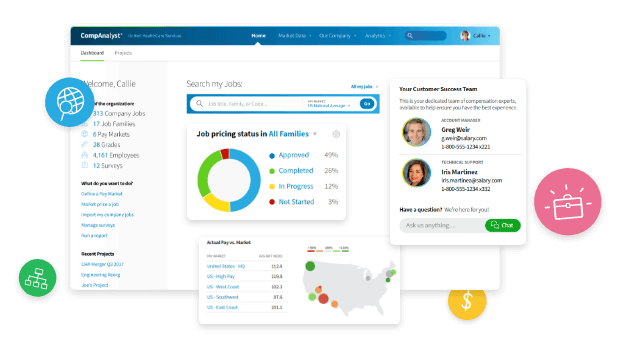
Salary.com's CompAnalyst platform offers:
- Detailed skills and competency reports for specific positions
- Job and employee pricing reports
- Compensation data tools, salary structures, surveys and benchmarks.

Career Path for Logistics Analyst I
 About Kyoto, Japan
 Logistics Analyst I Pay Difference by Cities
| City, Country | Compared to national average |
|---|---|
| City, Country Yokohama, JP |
Compared to national average
|
| City, Country Tokyo Yokohama Rollup, JP |
Compared to national average
|
| City, Country Osaka, JP |
Compared to national average
|
| City, Country Nagoya, JP |
Compared to national average
|
| City, Country Sapporo, JP |
Compared to national average
|
| City, Country Kobe, JP |
Compared to national average
|
Similar Jobs to Logistics Analyst I in Kyoto, JP

| Job Title | Location | Salary Range in JPY |
|---|---|---|
| Job Title Entry Logistics Analyst | Location Kyoto, JP |
|
| Job Title Intermediate Logistics Analyst | Location Kyoto, JP |
|
| Job Title Lead Logistics Analyst | Location Kyoto, JP |
|
| Job Title Logistics Analyst II | Location Kyoto, JP |
|
| Job Title Logistics Analyst III | Location Kyoto, JP |
|
 Understand the base salary paid range for a Logistics Analyst I in Kyoto, JP
Average Base Salary
Core compensation
 Logistics Analyst I Frequently Asked Questions