Blog
Get Pay Right on ADP Workforce Now® Next Gen™
Bringing trusted compensation intelligence and seamless planning to even more ADP users.
Written by Salary.com Staff
July 18, 2025

Nowadays, compensation training plays a pivotal role in equipping HR professionals with the practical skills and advanced skills necessary to handle the increasingly complex world of employee compensation and benefits.
It’s no longer enough to have a basic understanding; today’s human resources teams need to master tools and techniques to support a comprehensive total rewards strategy.
A well-designed compensation strategy is a key component, ensuring that compensation aligns with organizational goals and supports the attraction, retention, and motivation of talent.
Compensation training helps organizations establish consistent compensation practices and make informed compensation decisions, providing essential knowledge for HR professionals.
These are built on solid compensation philosophy, designed to maintain pay equity, reward individual employees fairly, and structure compensation systems in alignment with internal goals and external factors.
Well-trained HR and compensation professionals can design compensation programs that consider variable pay, differential pay, and incentive plans that support business strategy. It’s how companies retain top talent and reduce pay gaps, while navigating evolving legal requirements and expectations for fairness.
Compensation training also prepares HR professionals to address new challenges, such as remote work and changing regulations, ensuring their compensation programs remain effective and competitive.
To support these initiatives, Salary.com’s Total Compensation Management offers a comprehensive platform that integrates compensation planning, pay equity analysis, and benefits administration.
When designing training for compensation management, HR leaders should develop courses around real business scenarios, role-based responsibilities, and job analysis. Rather than relying on generalized third-party training, organizations can create in-house course materials focused on:
Sales compensation modeling for revenue-driven teams
Compensation analytics for evaluating pay structures
Designing competitive base pay and benefits programs
Implementing compensation plans for different departments
They should be aligned with a larger certificate program or even a benefits certificate program, which can offer recertification credits and a digital certificate upon completion. Including hands on practice, simulated negotiations, and real world scenarios allows these courses to prepare the HR professional and HR manager for real-time decision-making.
Enhance your training programs with Salary.com’s Compensation Planning Software, which provides tools for merit, bonus, equity, and reward planning, facilitating comprehensive and customized compensation training.
Effective training begins with a strong foundation. Planning your program starts with identifying the key aspects of compensation that need to be addressed, such as pay structure, internal equity, fair rewards, and competitive positioning in your market.
Course design must cover:
Fundamentals of compensation structure, pay, and salary structures
Building incentive programs and variable pay systems
Addressing compensation and benefits holistically in performance reviews
Creating total rewards frameworks
Understanding compensation field trends and benchmarks
For seasoned HR managers or those on an HR career path, it's important to offer both foundational and advanced skills training.
Encourage learners to explore real world case studies that highlight successful implementations and missteps in compensation policy. These enhance solid understanding and prepare HR staff to manage challenges independently.
To ensure wide participation, offer free access to internal learning platforms and ensure all modules are inclusive of real roles across the organization, from individual employees to executives.
Job offers are one of the most critical touchpoints in the employee lifecycle. A well-trained HR team will approach this with confidence and data. Through proper training, HR can ensure that every job offer aligns with company pay structures, considers prior experience, and addresses potential pay equity concerns.
Training modules should include:
Benchmarking with market data using compensation analytics
Structuring base pay and defining appropriate pay raise guidelines
Conducting pay gap analysis to eliminate inequities
Using internal metrics to ensure consistency across salary structures
Aligning job compensation offers with the company’s compensation philosophy and workplace regulations helps HR teams and managers foster trust and fairness from day one. This ensures employee motivation and satisfaction.
To build and maintain impactful training, organizations should treat compensation training like any major course investment. It should be embedded into the HR strategy and tied closely to employee development and the broader goals of the organization. Additionally, tracking recertification credits earned from other organizations is important to help employees maintain their professional credentials.
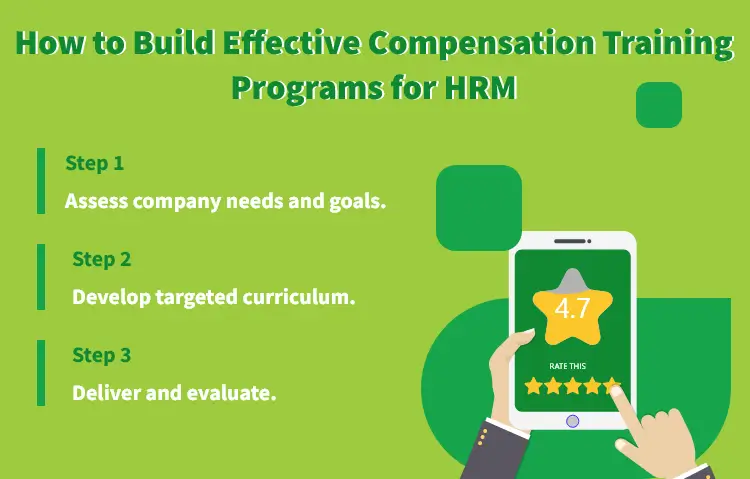
Understand the organization’s gaps in compensation management. Use internal surveys or interviews with those in compensation roles to identify priorities like sales compensation, pay, or benefits administration.
Your curriculum should include:
Strategic and operational compensation strategies
Legal and compliance issues in compensation and benefits
Role-specific modules for human resource professionals
Interactive elements like mock job offer creation
Training on compensation structure, variable pay, and incentive plans
Integrate lessons on course design and practical skills that reinforce learning. Use accessible course materials and include pathways to a certification program.
Offer a blend of self-paced digital courses and instructor-led workshops. Use hands on simulations and interactive tools. Review progress through assessments, project work, and post-course evaluations. Maintain a record of certificate program completions and analyze trends using compensation analytics to improve future courses. Link these to promotions or HR credentials for enhanced buy-in.
When done right, these programs strengthen your team’s ability to respond to dynamic human resources challenges, support equity, and promote consistent rewards for performance. Implement Salary.com’s Compensation Planning Tools to streamline the development and delivery of your compensation training programs, ensuring they are aligned with organizational goals and industry best practices.
With a clear focus on fairness, competitive pay, and compliance, these programs become a strategic asset for talent management. Embedding total rewards thinking across the HR function ensures that all employees feel valued and motivated—turning your compensation program from a cost center into a growth driver.

The latest research, expert advice, and compensation best practices all in one place.
Blog
Bringing trusted compensation intelligence and seamless planning to even more ADP users.

Blog
Learn how to train managers for effective pay conversations and build trust.

Blog
Total rewards package flexibility lets employees choose what matters - pay, perks, and benefits tailored to their needs.